
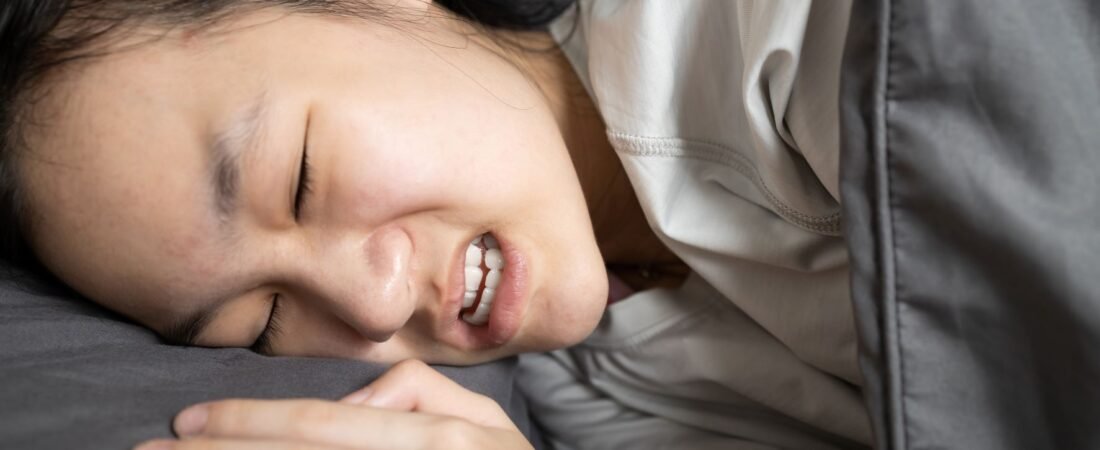
If you or someone close to you snores every night, most likely, you will think that the problem is blocked airways or the wrong sleeping position. Most people don’t realize that TMJ can also be associated with jaw problems. If the jaw is out of alignment, it will affect the airway during sleep and make it harder to breathe through, which will increase the chances of snoring.
It’s important for you to understand that if you or someone you know is suffering from TMJ snoring, then there are solutions available. Once you understand the connection between TMJ and your ability to sleep well, you can begin to improve your general health and, ultimately, your quality of life. Many patients struggle for years using nasal sprays, special pillows, or any other devices to stop snoring. However, they typically do not realize that their problem may be caused by the TMJ itself.
What Is TMJ?
The TMJ is the connection between the lower jawbone and the skull. It enables you to use your jaw throughout the day for speech, chewing, yawning, and a range of other motions.
If the TMJ joint becomes inflamed or misaligned, a condition known as TMJ Disorder (TMD) may develop. Symptoms of TMD include:
- Jaw pain
- Clicking or popping sounds
- Difficulty opening or closing the mouth
- Facial soreness
- Frequent headaches
- Neck pain
- Ear discomfort
Many people don’t realize that tmj snoring may also be another symptom associated with poor jaw positioning.
Understanding TMJ Snoring
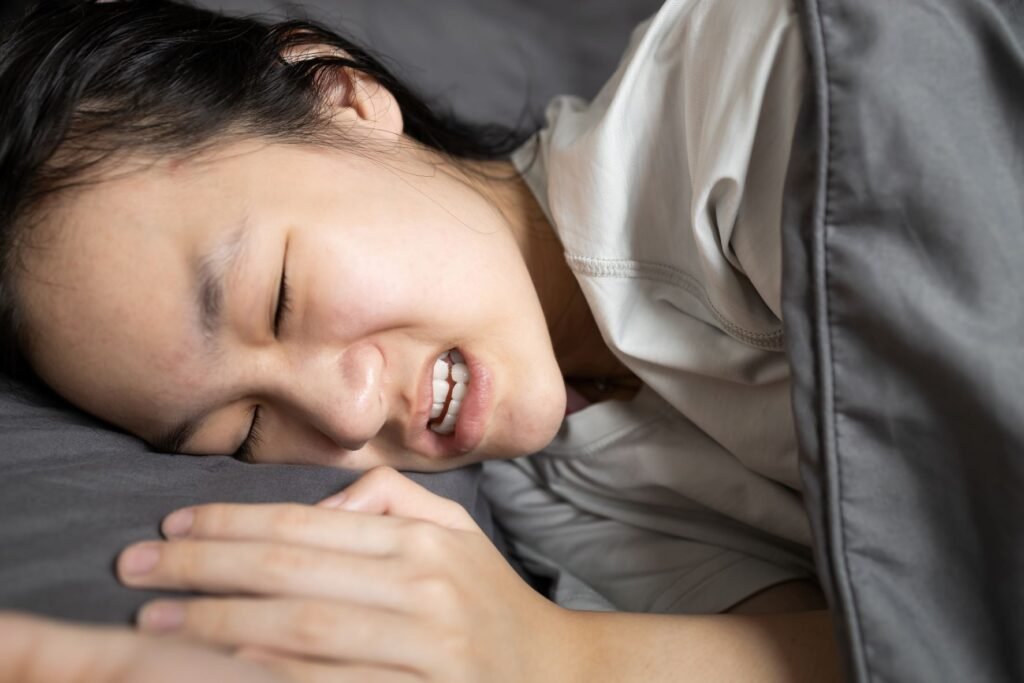
Jaw alignment can lead to narrowing of the airway while sleeping through TMJ snoring. When you sleep, all the muscles of your body become relaxed. Due to TMJ dysfunction, the lower jaw may drop back, resulting in the tongue being pulled backward, also occluding the airway. This constriction, where air flows through, causes the soft parts of your throat to vibrate, creating the characteristic “snoring sound.
How TMJ Disorders Affect Breathing
Dental professionals are increasingly seeing the connection between TMJ and snoring. The jaw is a key structure for keeping the airway clear.
When the jaw is displaced too far back (due to TMJ dysfunction), it can lead to multiple issues:
- The tongue shifts backward.
- Airflow becomes restricted.
- Throat muscles collapse more easily.
- Snoring becomes louder.
- Sleep quality decreases.
Patients with TMJ-related snoring can experience disrupted sleep due to disturbed breathing cycles, leaving them feeling fatigued in the morning, regardless of having spent enough time in bed.
Common Symptoms That May Indicate TMJ Snoring
Many people with TMJ-related snoring exhibit multiple symptoms, which will help indicate that your snoring issue may stem from an issue with your jaw.
You may notice:
- Loud snoring nearly every night
- Jaw stiffness in the morning
- Clicking jaw joints
- Teeth grinding during sleep
- Morning headaches
- Facial muscle fatigue
- Neck pain
- Difficulty chewing
- Daytime sleepiness
- Poor concentration
If these symptoms occur together, tmj snoring should be evaluated by an experienced dental professional.
Who Is More Likely to Experience TMJ Snoring?
Several factors increase the likelihood of developing tmj snoring.
These include:
- Chronic teeth grinding
- Jaw injuries
- Arthritis affecting the jaw
- Poor bite alignment
- High levels of stress
- Sleep position
- Obesity
- Family history of TMJ disorders
Even younger adults can develop tmj snoring, especially if they grind their teeth at night or have untreated bite problems.
Why You Shouldn’t Ignore TMJ Snoring
Many people consider snoring to be only a nuisance, but persistent tmj snoring can affect your overall health.
Poor sleep may contribute to:
- Constant fatigue
- Mood changes
- Reduced productivity
- Memory problems
- Increased stress
- Higher blood pressure
- Reduced immune function
Ignoring TMJ-related symptoms can also allow jaw problems to worsen over time, making eating, speaking, and daily activities increasingly uncomfortable.
Diagnosing TMJ Snoring
Proper diagnosis is essential because not all snoring has the same cause.
During your dental evaluation, your provider may:
- Examine jaw movement
- Check for joint tenderness
- Evaluate your bite
- Look for signs of teeth grinding
- Review your sleep history
- Assess airway function
Sometimes additional imaging or collaboration with a sleep specialist may be recommended to determine whether tmj snoring is contributing to your sleep problems.
Treatment Options for TMJ Snoring
Fortunately, there are several treatment options available depending on the underlying cause of tmj snoring.
Your dentist may recommend:
Custom Night Guards
A professional night guard will help relieve teeth grinding and allow for a better jaw position when sleeping.
Bite Adjustment
Correcting how the bite fits together can relieve the pressure placed on the TMJ and allow for better airflow.
Physical Therapy
Jaw exercises will help build the surrounding muscles up and help with joint movement.
Stress Management
Lowering stress levels should reduce the clenching of the jaw during sleep, resulting in lower levels of grinding and a reduction in snoring caused by tmj.
Lifestyle Changes
Simple changes may also help, including:
- Sleeping on your side
- Maintaining a healthy weight
- Avoiding alcohol before bedtime
- Practicing good sleep hygiene
- Stretching jaw muscles before sleep
For many patients, combining several treatments provides the best long-term results.
When Should You See a Dentist?
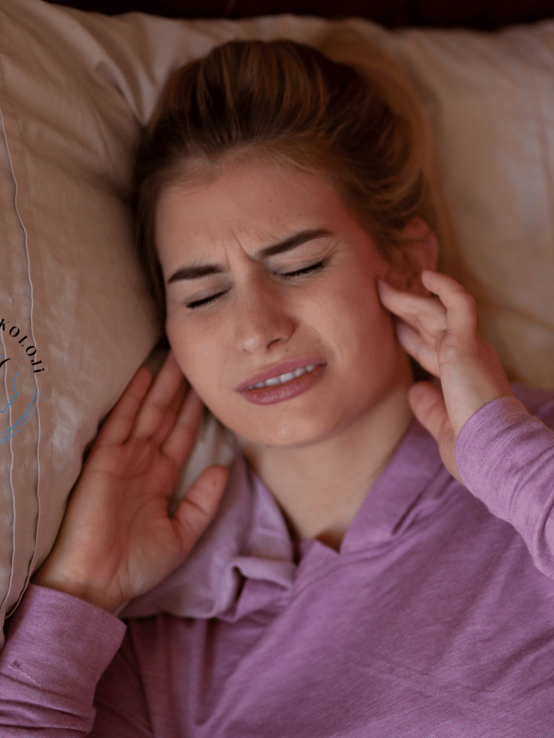
If you are experiencing snoring with jaw pain, clicking, headache, or teeth grinding, you should not ignore these warning signs and should seek treatment as soon as possible to avoid developing any serious conditions that can prevent you from sleeping comfortably.
A dentist will evaluate your situation and can determine if tmj is contributing to your symptoms and will develop an appropriate treatment plan for you.
Advanced Treatment Options for TMJ Snoring
If your tmj related snoring hasn‘t fully improved with conservative treatment, your dentist may recommend more advanced forms of treatment based on you symptom and overall health of your mouth and teeth.
Oral Appliance Therapy
The most successful treatment option for tmj related snoring is through a custom dental device or orthotic. A custom device is made specifically for your mouth; therefore, compared to an over-the-counter mouthpiece, it will fit much better. These devices will help to position the lower jaw into a forward position during sleep which will keep the airway open and reduce stress on the TMJ.
Orthodontic Treatment
In some instances, improper bite alignment is a factor that can contribute both to dysfunction of the TMJ as well as to tmj snoring. Gradually realigning your teeth and jaw with braces or clear aligners may allow you to put less stress on the joint and allow for better airflow during sleep.
Restorative Dentistry
Missing or worn down teeth may cause the way your jaw closes to be altered. Restorative treatments such as crowns, bridgework, or dental implants can be used to provide a proper bite alignment and reduce tmj snoring over time.
Sleep Evaluation
If your dentist believes tmj snoring may relate to sleep apnea, they may suggest having a sleep study done. Sleep Apnea is a serious disorder in which a person has repeated pauses in their breathing while they are sleeping. If your dentist is able to determine the cause, then they can provide you with the most effective method of treatment.
Daily Habits That Can Reduce TMJ Snoring
Daily habits can have a major impact on the health of your TMJ and the quality of your sleep. Here are some practical tips:
Consider these practical tips:
- Avoid chewing gum excessively.
- Limit hard or crunchy foods if your jaw is sore.
- Practice jaw relaxation exercises.
- Use warm compresses to ease muscle tension.
- Maintain good posture throughout the day.
- Avoid sleeping on your stomach.
- Stay hydrated.
- Follow a consistent sleep schedule.
Although these habits won’t eliminate every case of tmj snoring, they often reduce symptoms and support professional treatment.
Can Teeth Grinding Make TMJ Snoring Worse?
Grinding your teeth (bruxism) is one of the most significant contributors to tmj snoring. Excessive pressure placed on the muscles and joints of the jaw caused by grinding can cause jaw position, increased inflammation and promote the narrowing of the airway during sleep.
Many patients who receive treatment for grinding their teeth at night feel they see an improvement in their tmj snoring, and the quality of their sleep overall after they get treatment.
Is TMJ Snoring Permanent?
Fortunately, tmj snoring is not always permanent.
Many patients experience significant improvement after addressing the underlying TMJ disorder. The outcome depends on factors such as:
- Severity of the TMJ problem
- Overall oral health
- Consistency with treatment
- Lifestyle habits
- Presence of sleep apnea
Early diagnosis generally leads to better long-term results.
Preventing TMJ Snoring
While not every case can be prevented, there are several ways to lower your risk of developing tmj snoring.
You can help protect your jaw by:
- Scheduling regular dental checkups
- Treating bite problems early
- Wearing a custom night guard if you grind your teeth
- Managing stress effectively
- Maintaining a healthy weight
- Avoiding excessive jaw strain
- Sleeping in a position that supports healthy breathing
These simple preventive steps can improve both jaw function and sleep quality.

Frequently Asked Questions
Can TMJ really cause snoring?
Yes. TMJ snoring may occur when jaw alignment affects the position of the tongue and narrows the airway during sleep.
Will a night guard stop TMJ snoring?
A professionally made night guard may reduce tmj snoring if jaw clenching or teeth grinding is contributing to the problem. Your dentist can determine whether it is the right solution for you.
Is TMJ snoring related to sleep apnea?
Sometimes. While tmj snoring and sleep apnea are different conditions, they can occur together. A professional evaluation can determine whether additional sleep testing is recommended.
Should I see a dentist for TMJ snoring?
Absolutely. Dentists trained in TMJ disorders can evaluate your bite, jaw function, and oral health to determine whether tmj snoring is affecting your sleep.
Why Choose Gentle Dental Center?
At Gentle Dental Center, we understand that sleep problems often have dental causes. Our experienced team provides comprehensive evaluations for TMJ disorders, bite problems, and oral appliances designed to improve comfort and support healthier sleep.
We believe every patient deserves personalized care, modern treatment options, and clear communication throughout the treatment process. Whether you’re experiencing jaw pain, teeth grinding, or persistent tmj snoring, we’re here to help you find lasting relief.
Visit Gentle Dental Center
If you’re struggling with tmj snoring, don’t wait until poor sleep begins affecting your daily life. Early diagnosis and treatment can improve your comfort, protect your jaw, and help you enjoy more restful nights.
Gentle Dental Center
Address:
693 Columbus Ave
New York, NY 10025, United States
Office Hours:
Monday–Friday: 9:00 AM – 6:00 PM
Phone:
+1 (212) 663-6800
Website:
Gentledentalcenter.online
Contact our friendly team today to schedule a consultation and learn whether your jaw health may be contributing to tmj snoring. With the right diagnosis and personalized treatment plan, better sleep and improved oral health are within reach.
Final Thoughts
Many people never realize that persistent snoring can be connected to jaw function. Understanding the relationship between tmj snoring and TMJ disorders can help you identify the true source of your symptoms. Rather than relying on temporary solutions, addressing the underlying cause offers the best opportunity for long-term relief.
If jaw pain, teeth grinding, headaches, and tmj snoring are disrupting your quality of life, a professional dental evaluation is the first step toward better sleep, improved comfort, and a healthier future.