
Oral hygiene is critical to self-confidence and a quality lifestyle; however, there are millions of individuals that do not practice good oral hygiene every day. Whether you brush your teeth twice a day or you skip flossing altogether, being aware of the value of good oral hygiene can change your smile and overall health.
Our dental practice is located at 697 Hilltop St in Springfield, MA, USA, with the goal of providing high-quality oral health for individuals of any age.
What Is Oral Health Care?
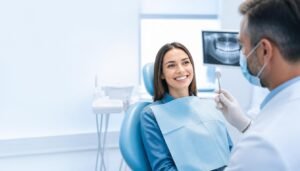
Oral hygiene consists of all the behaviours related to the care of your teeth, gums, tongue, and mouth.Effective oral hygiene includes: brushing at least twice a day; flossing at least once a day; rinsing with mouthwash at least twice a day; eating a balanced diet; and going to the dentist regularly. Going to the dentist regularly will be the most effective oral health habit for your long-term oral health.
Your oral health is not only important for having a pretty smile. Studies have demonstrated that there’s a relationship between poor oral hygiene and significant health problems, like cardiovascular disease, diabetes, and respiratory infections. Hence, a consistent oral hygiene routine is vital to one’s overall health.
Key Pillars of Good Oral Health Care
Brushing Your Teeth
The first and foremost action for good dental hygiene is to brush your teeth two times daily, once when you wake up and before you sleep at night. You should also use a soft-bristled toothbrush in conjunction with toothpaste containing fluoride to maximize the benefits of the brushing.
Flossing Daily
Flossing is essential to good oral hygiene and is often overlooked. Flossing removes food debris and plaque from between teeth, which cannot be reached by brushing. Daily flossing is the only way to have a complete oral hygiene program.
Using Mouthwash
Antibacterial mouthwash is an important part of your oral hygiene regimen. An antibacterial mouthwash will help reduce the number of bacteria in your mouth, how fresh your breath smells, and also protect your gums; they are all essential components of an effective oral hygiene regimen.
Eating a Tooth-Friendly Diet
The foods you consume can affect the overall state of your oral hygiene. Try to limit foods that contain sugar and beverages that are acidic so that you do not harm your tooth enamel. Eat foods that are high in calcium, vitamin D, and phosphorus; these nutrients are crucial for having strong oral hygiene from the inside out.
Regular Dental Visits
Every person should see a dentist every six months; this is an essential component of a comprehensive oral hygiene program and provides the necessary additional support to ensure that your oral hygiene is maintained, regardless of how well you follow your at-home regimen.
Oral Health Care for Every Age Group
Children
Begin Skincare and Oral Hygiene at a Young Age: It is important to start oral hygiene early by brushing your child’s first tooth as soon as it appears. By instilling good habits in your children from an early age, you are creating a base for a healthy smile for the rest of their lives.
Teenagers
Teenagers have unique obstacles to overcome when it comes to oral hygiene. These include braces, wisdom teeth and the way they eat and drink. It is extremely important to continue to encourage them to practice good oral hygiene while they are in their teenage years.
Adults
Busy lifestyles can sometimes cause us to neglect our oral hygiene needs. Sometimes we feel stressed, eat poorly, or miss routine dental appointments; these factors can affect our general welfare and our teeth. By making oral health a priority as an adult, you will maintain your teeth and also promote your long-term well-being.
Seniors
As we grow older, good oral hygiene is critical. Seniors have a higher risk of developing periodontal disease, having dry mouth and losing teeth. Having a solid oral hygiene regimen, as well as seeing your dentist regularly as you age, is essential for healthy aging.
Signs of Poor Oral Hygiene
Poor oral hygiene can cause many serious problems. Watch for the following signs of poor oral hygiene:
- Working teeth or gums that bleed or swell
- Halitosis (bad breath) on a regular basis
- Sensitivity to hot and cold food or beverages when eating or drinking
- Loose or shifting teeth
- Mouth sores that don’t heal
- Pain while chewing food
Notice any of these indications? Time to reevaluate your oral health care and schedule a professional appointment now.
Professional Oral Health Care at 697 Hilltop Street, Springfield, MA, USA
At our clinic at 697 Hilltop Street, Springfield, MA, USA, we offer a full range of oral health care services, including:
- Routine cleanings and exams
- Gum disease treatment
- Cosmetic oral hygiene care (whitenings/veneers).
- Pediatric oral hygiene care.
- Emergency dental services
Our experienced team is committed to making your oral health care experience as comfortable and effective as possible.
Simple Oral Health Care Tips You Can Start Today
- Replace your toothbrush every 3 months
- Drink plenty of water to support saliva production
- Avoid smoking — it severely damages oral health care outcomes
- Wear a mouthguard during sports
- Never use your teeth as tools
Book Your Oral Health Care Appointment Today
Your smile is worth investing in. Don’t wait for pain to remind you about your oral health care. Visit us at 697 Hilltop Street, Springfield, MA, USA, and let our dental professionals help you build a strong, personalized oral health care plan.
📍 Location: 697 Hilltop Street, Springfield, MA, USA 📅 Schedule: Call us today to book your oral health care consultation
Great oral health care starts with one small step — book your appointment and take control of your smile today!